

From Widening to Transformation: The Future of EU Science
The conference From Widening to Transformation: European Universities as Engines of Inclusion and Innovation brought together academic leaders, policymakers and research stakeholders in Brussels on 17–18 June 2026 to discuss the next chapter of the European Research Area
As Europe rethinks the future of its research and innovation landscape, universities are emerging as key actors in driving long-term transformation. Organised within the framework of the Unite!Widening project the conference was jointly hosted by Wrocław University of Science and Technology, the University of Lisbon and the NCBR Office in Brussels.
Discussions focused on the future of the European Research Area (ERA) and the changing role of universities in strengthening Europe's scientific and innovation capacity. A recurring theme was the need to move beyond short-term support mechanisms for so-called “Widening” countries and towards long-term institutional transformation that enables sustainable growth in research excellence.
Participants highlighted that European University Alliances are increasingly contributing not only to student mobility and educational cooperation, but also to research collaboration, innovation ecosystems and regional development.
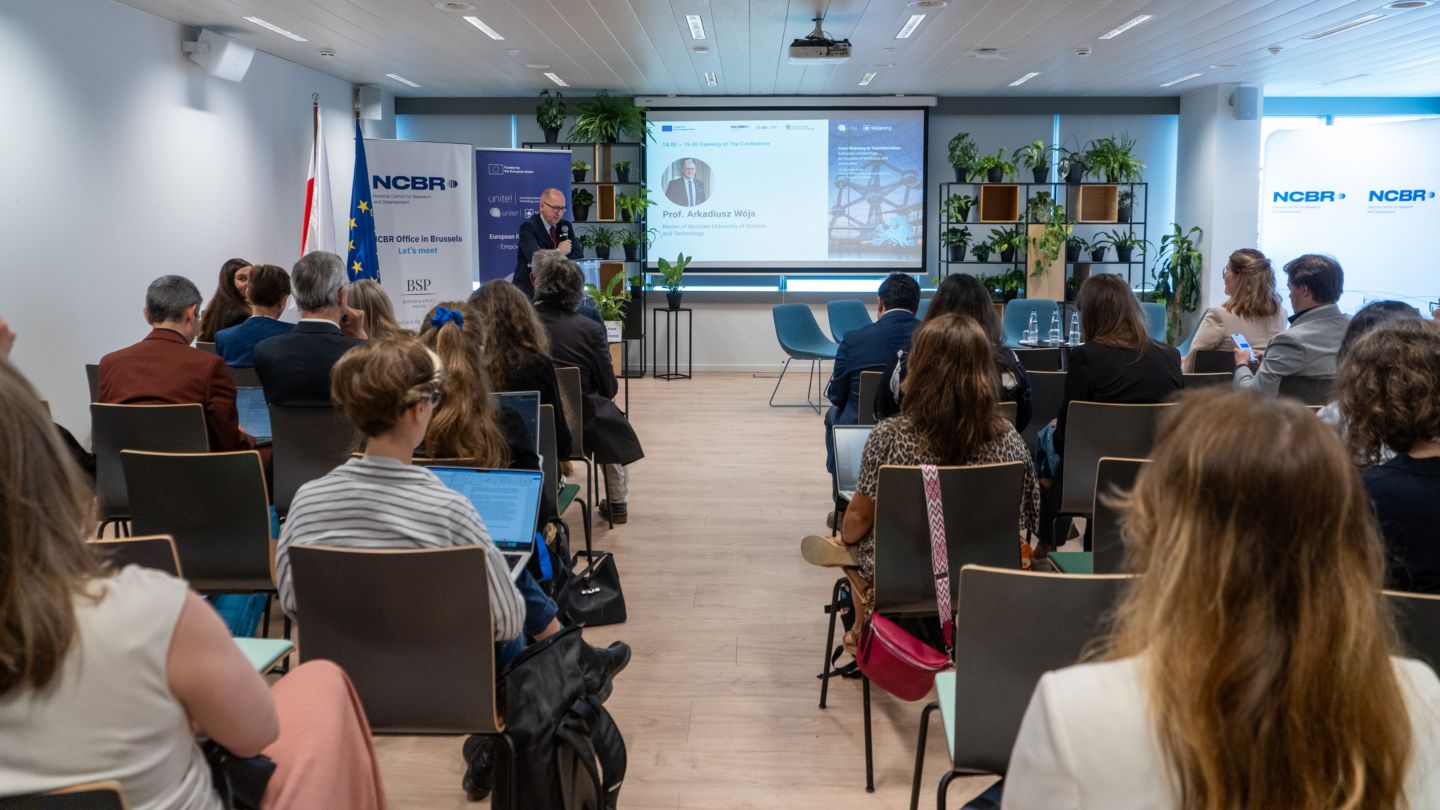
The conference was opened by Prof. Arkadiusz Wójs, Rector of Wrocław University of Science and Technology and Vice-President of the Unite! Alliance, Prof. Cecília Rodrigues, Vice-Rector for Research and Innovation at the University of Lisbon, and Waldemar Dubaniowski, Director of the NCBR Brussels Office.
Reflecting on the role of alliances in strengthening research ecosystems, Prof. Vivien Quéma, President of the Unite! European University Alliance, stressed that excellence cannot be built by individual institutions acting alone:
“Mobility and talent are essential, but excellence also depends on strong networks and close cooperation with industry. This is where European university alliances can make a real difference.”
High-Level Perspectives and Exchange
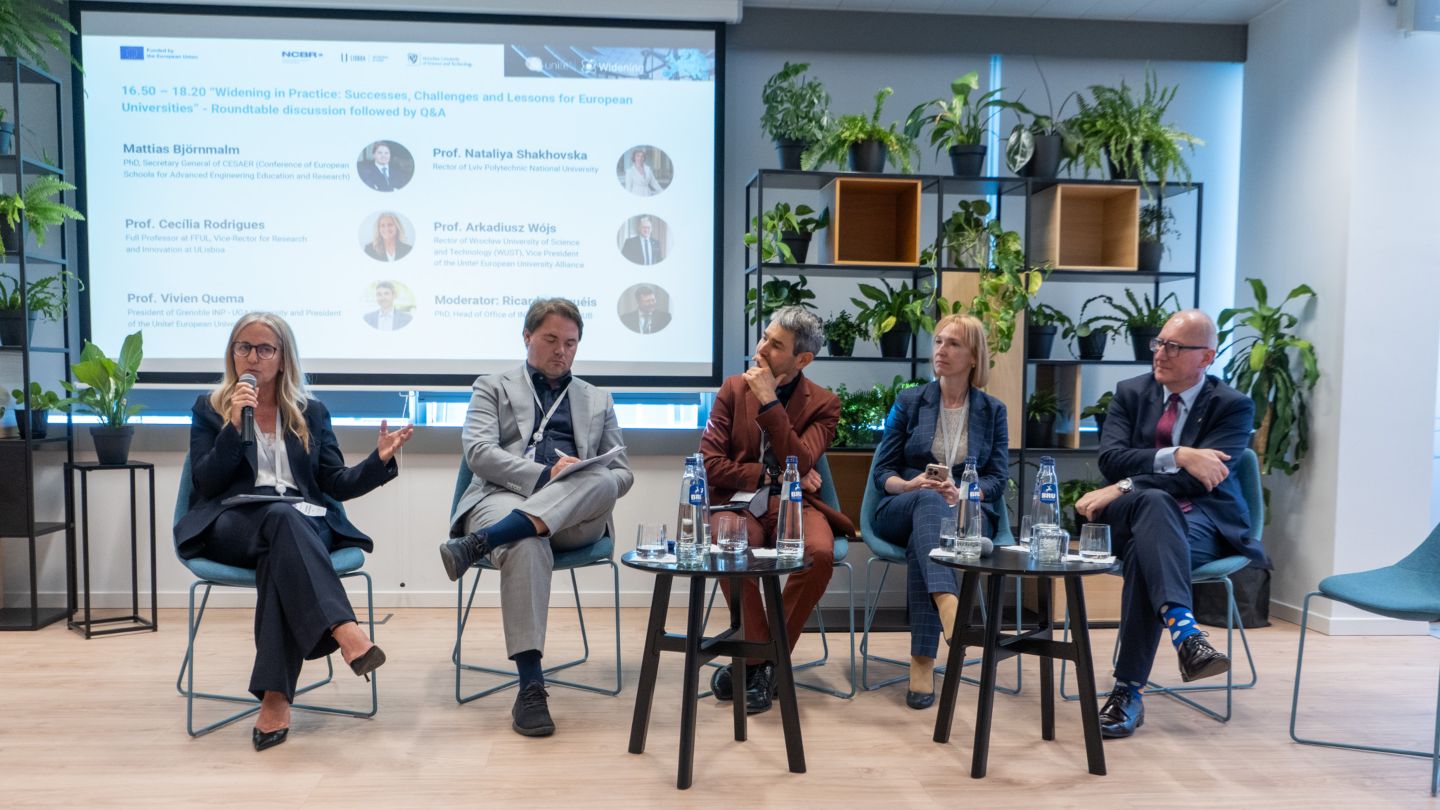
The first day, held under the theme A Shared European Vision, featured keynote contributions from Diana Jabłońska, Director at DG EAC, and Joerg Niehoff, Deputy Head of Unit ERA at DG RTD. Presentations and roundtable discussions brought together academic leaders and policy experts, including Prof. Nataliya Shakhovska, Rector of Lviv Polytechnic National University, and Mattias Björnmalm, Secretary General of CESAER.
The programme concluded with a networking reception, providing opportunities for participants to exchange experiences and explore future cooperation.
Exploring Pathways for Change
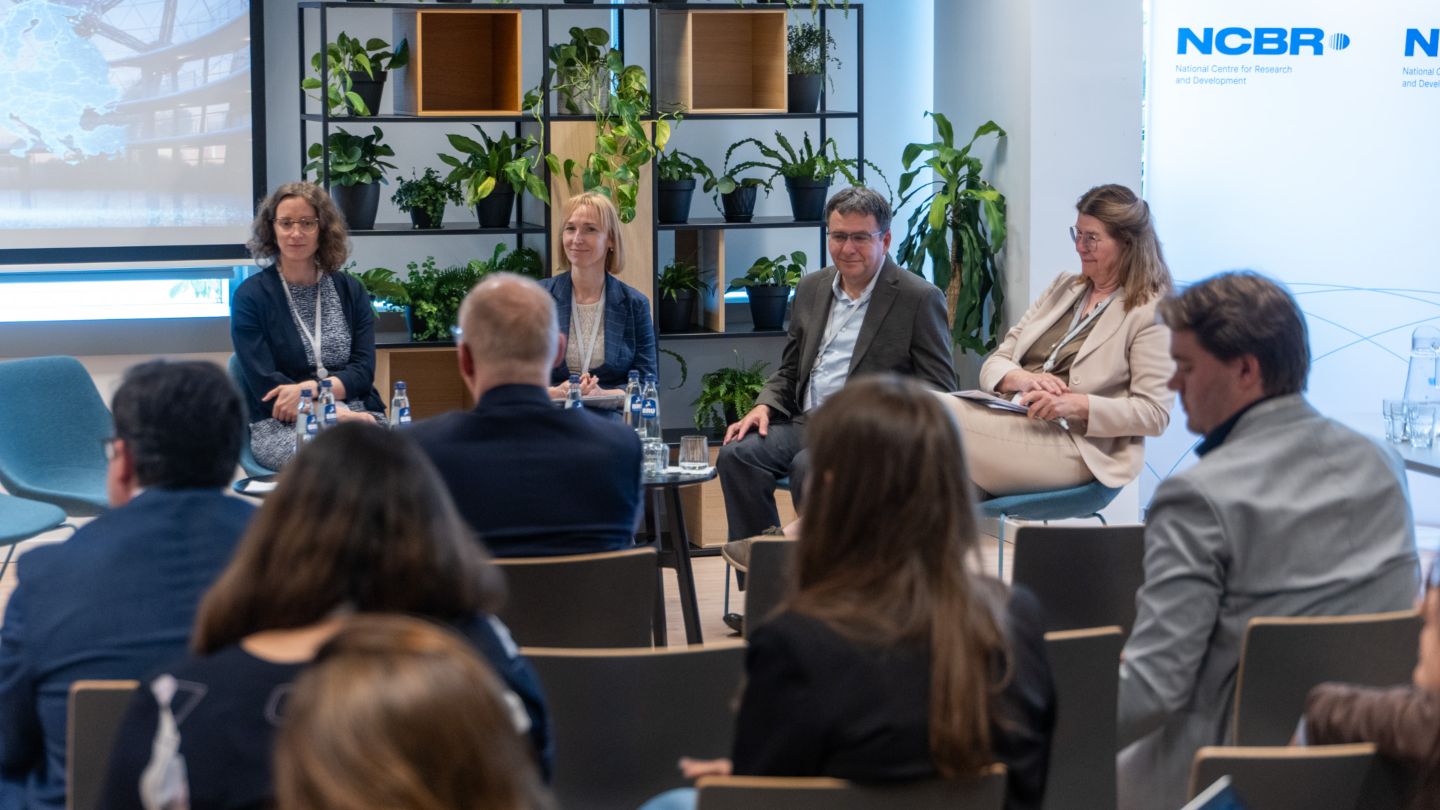
The second day focused on institutional transformation and strategies for reducing innovation disparities across Europe. Discussions examined how universities and alliances can strengthen their collective impact within the European research landscape.
Speakers included Prof. Josep M. Garrell, President of the European University Association, Prof. Manuel Heitor, former Portuguese Minister of Science, Prof. Leszek Kaczmarek, Member of the European Research Council Scientific Council, Prof. Renata Krzyżyńska, Vice-Rector for Research and Innovation at Wrocław University of Science and Technology and Vice-President of the T.I.M.E. Association, and Krzysztof Kuik from the European Commission's Directorate-General for Research and Innovation.
The final sessions brought together representatives of several European university networks, including Unite!, EUDRES and EUNICE to discuss how international partnerships can support institutional development and long-term transformation.
The conference concluded with the presentation of draft recommendations and next steps by Unite!Widening project coordinators Prof. Fátima Montemor from the University of Lisbon and Prof. Agata Klaus Rosińska from Wrocław University of Science and Technology.
Strengthening Europe's Research Landscape
The discussions in Brussels highlighted the growing role of universities in connecting research, innovation and societal needs. They also underscored the importance of sustained cooperation between universities, policymakers and funding institutions in shaping the future of European science.
The Unite!Widening project, funded by the European Union, supports the development of scientific and management excellence across the alliance and seeks to strengthen research cooperation among its partners, including through the strategic collaboration between institutions in Poland and Portugal.